February 27
Lithgow
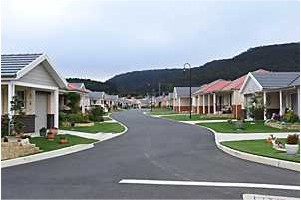
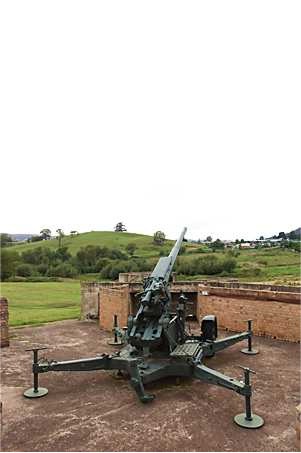
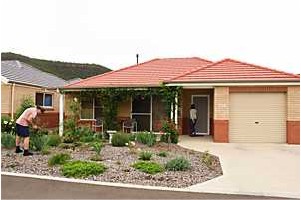
I was up at 07.00 for an 07.30 departure on the two kilometre walk round the retirement village and through the wartime gun emplacements.
 |
 |
|
|
 |
|
|
|
These were part of the defences for the arms factory. The weather was cool at this stage, under fifteen degrees. I had already been informed that whilst the roads descend into the town from the hills, it is still at 800 metres, considerably higher than any town in the UK.
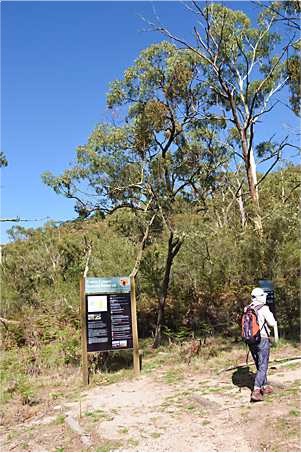
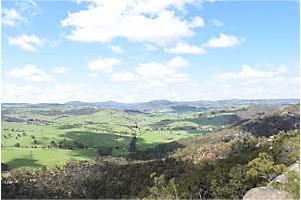
We had breakfast and then set off in the car for about half an hour to the Evans Crown Nature Reserve, about fifteen kilometres to the South West of Lithgow. By now, the cloud had vanished and the temperature was rising into the high twenties.
 |
 |
|
|
 |
 |
|
|
 |
 |
|
|
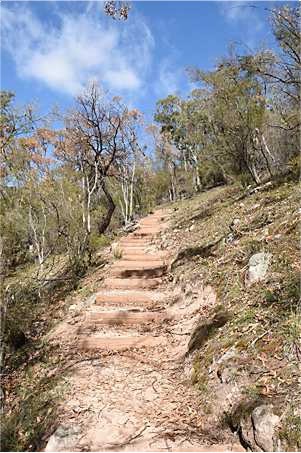
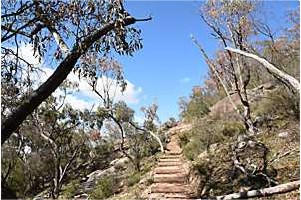
We parked the car set off into the trees and then up steps which seemed to go on for ever.
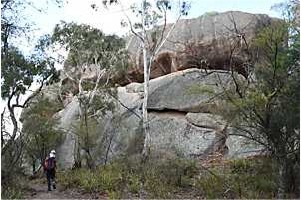
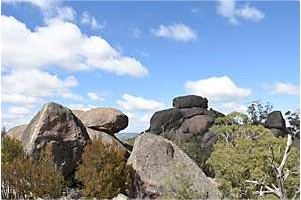
I followed the others, reasonably pleased that my heart didn't appear to be giving out. We eventually reached the summit, perhaps at about 1100 metres, where there were excellent views and lots of huge rocks. We debated how they had arrived there but without reaching any serious conclusion. Research back in the UK suggests that they are similar to the "tors" on Dartmoor and are igneous rocks which have been left exposed following a long period of weathering of the surrounding landscape.
We spent a lot of time scrambling around on the bare rock slabs. In the dry, they offered a perfect footing. In the wet, trying to walk on them would have been lethal.
We had gone less than a couple of kilometres but the climb made it seem twice the distance. The descent was much easier and, to my surprise, didn't seem to offer many opportunities for slipping and falling. By the time we reached the car park, there was another car parked there but we had neither seen nor heard another living soul.
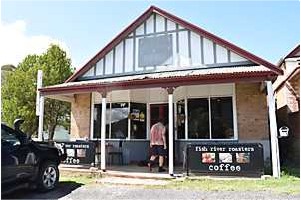
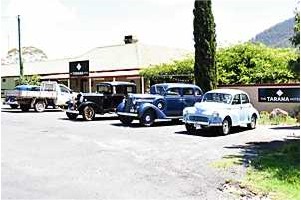
We drove off through lots of green countryside, crossing small rivers, until we reached the café at Tarana.There we had good, if over large, lunches. Mine, being a salad, was reasonably healthy. Opposite the café was the village pub, complete with a line up of vintage cars outside. |
 |
|
|
 |
 |
|
|
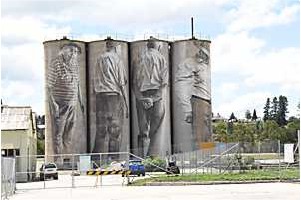
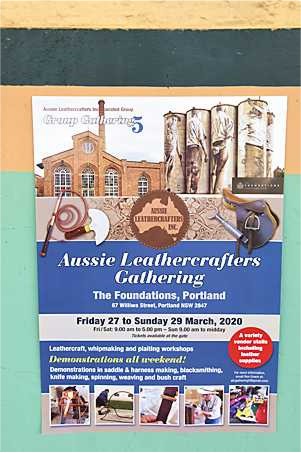
We followed more winding roads to Portland, once the thriving home of a cement works, now a small town trying to survive on art events, wonderful old advertising signs and anything else that came to mind.We had a good explore and wondered what its future might hold. |
 |
|
 |
 |
|
|
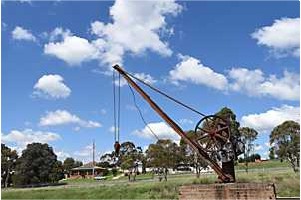
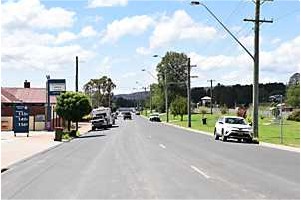
Not far away is Wallerawang, about fourteen kilometres North West of Lithgow. It was formerly dependant on a power station but it, too, is now looking for a role in life. By now, the sun was blazing and the thermometer had risen into the 30's.
 |
 |
|
|
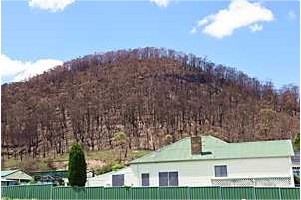
We returned to Lithgow, passing the area of town where the fires had reached the back fences of some of the houses. I did take photos and it looked very scary.
 |
 |
|
|
 |
|
|
|
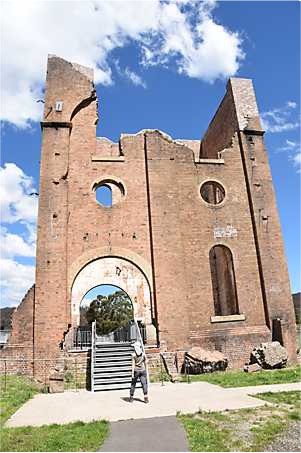
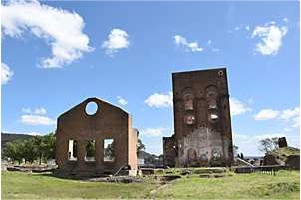
The old blast furnaces are well documented and date from a period of serious industrial unrest, prior to WWI, which mirrored what went on in the industrial parts of the UK. A lot of money has been spent on restoring them as an important part of the town's history.
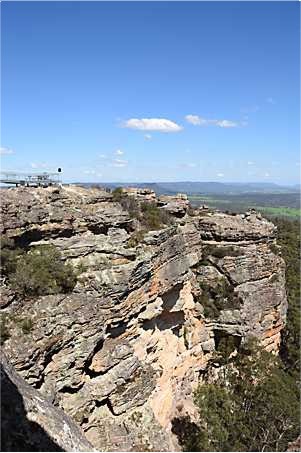
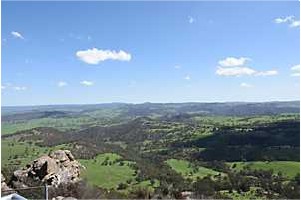
Hassan's Wall is a steep climb about four kilometres out of Lithgow. The viewing platform is at just over 1100 metres, the same height as the top of Evans Crown. The views over the Blue Mountains, on a clear and sunny day were amazing.We drove back down the hill to the house, where I collapsed in an armchair and wrote my diary. |
 |
 |
|
|
|
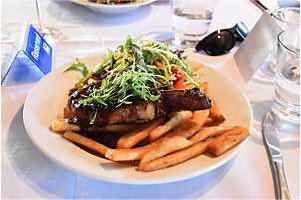
Just before 18.00, we walked the short distance to the restaurant at the local motel for dinner. The food was OK but not exciting. The service, ditto. The company was good, however, so it was a pleasant evening.
 |
 |
|
|