Sep 26
Liverpool to Whalley
|
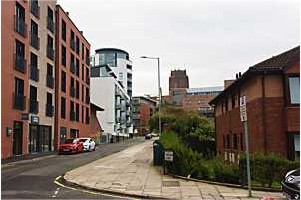
I produced rolls from the bacon I had purchased yesterday, had one for breakfast and packed one for lunch. I checked out, abandoned my bag and set off on the walk to the waterfront. It was chilly but dry, with almost a touch of blue sky in evidence. At the Pier Head, I was able to book onto the 10.00 sailing of the Explorer, which trundles around the Mersey for 50 minutes. Right: Almost a touch of blue |
 |
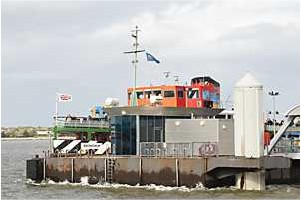
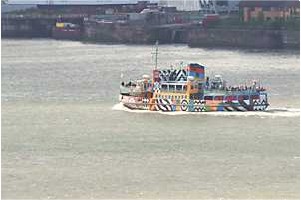
The boat, Snowdrop, is loud, specially painted by Sir Peter Blake, not the NZ yachting one but the English one who designed the cover of Sergeant Pepper. The design, called Everybody Razzle Dazzle is certainly eye catching. Unfortunately, it hides behind the wharf buildings so that it can’t really be photographed from the land.
 |
 |
|
|
There was a large coach party of geriat … (older people) aboard so I felt at home as we sailed back and forth. It was fun rather than exciting but no visitor to Liverpool should go without it.
 |
 |
|
|
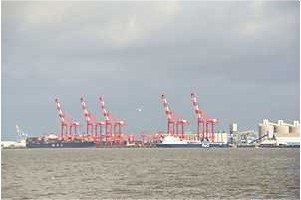
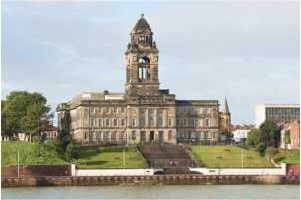
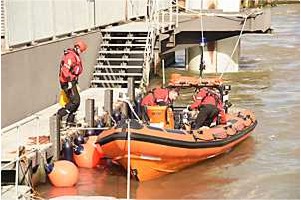
We were given a commentary alerting us to some of the history of the docks and warehouses, the historic buildings on the Wirral side of the river, the locations of the ventilation shafts for the assorted road tunnels and so on.
 |
 |
|
|
 |
 |
|
|
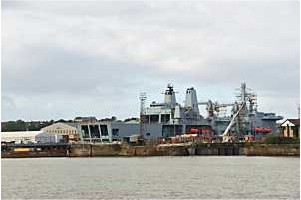
We were shown the Cammell Laird shipyards but were not told that David Attenborough would be in residence this afternoon launching the survey vessel named after him.
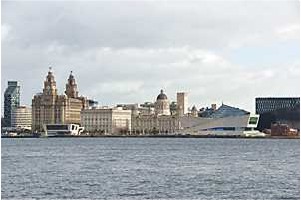
In pride of place at the Pier Head are the Three Graces, the iconic buildings which have lined the horizon for a century. The Cunard Building and the Port of Liverpool Building are very grand but there are others like them in the UK.
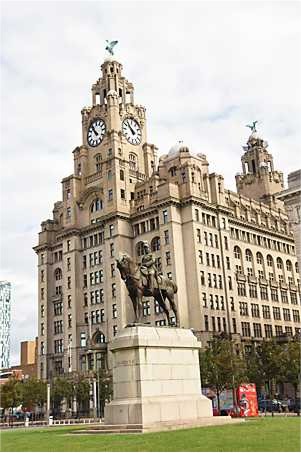
The Royal Liver Building is unique in this country being, in effect, a small scale model of a New York skyscraper. Apparently, it is often used for filming when the production company doesn’t want to fork out for a trip across the Atlantic. It also functions as an office building for many organisations including, I was told, Everton FC.I had heard that tours were available so I entered and was directed to the basement, where a nice lady deprived me of £15 and I awaited the next tour in about fifteen minutes. |
 |
 |
|
|
|
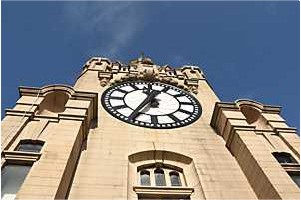
A dozen or so of us had a lecture on health & safety – ie don’t throw things or ourselves off the roof – and then joined the guide for a ten floor ride in the lift. This took three goes as it was only a tiny lift. The tenth floor took us to the flat roof beneath the level of the large clock which towered above us. It also chose that moment to strike eleven, which was quite a memorable experience.
 |
 |
|
|
 |
|
|
|
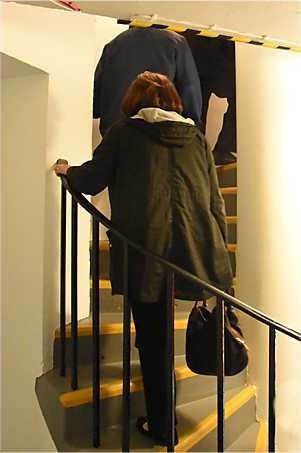
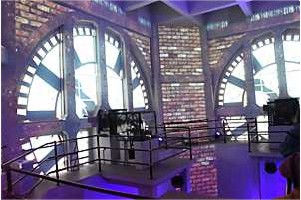
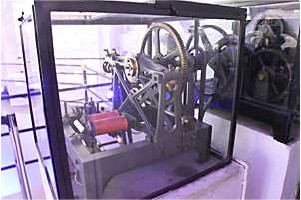
We then hit the spiral staircase to the fourteenth floor and a room which was immediately inside the huge clock faces. There we were given an audio visual show about the city. I’m not sure that it actually increased my appreciation of the building but it was technically brilliant and made really good use of the enclosed space. We were able to view the mechanisms of the clocks although, as ever, the technicalities left me confused.
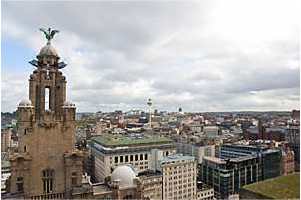
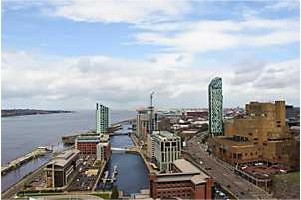
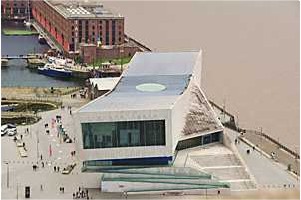
The last spiral staircase took us up to floor fifteen, the open viewing platform. The 360 degree views over the city were amazing and the weather was good enough to enable us to appreciate them.
 |
 |
|
|
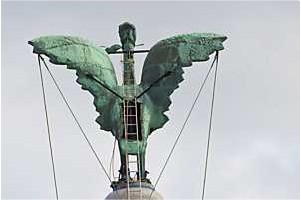
We could see the Liver Birds, but only the rear view of the male and the extreme front end of the female. It is a sad story that their original creator, a German sculptor Carl Bernard Bartels, a long term resident of the UK, was stuck in an internment camp in 1915 and then repatriated. Just to remove his memory from the public domain, all of his drawings were destroyed. He did eventually return to the UK and eventually died in London in 1955. Finally, in 2011, as a part of the centenary celebrations for the building, the city made him a “citizen of honour”. About time is all that one can say. Pause for a bit of a sob.
 |
 |
|
|
We retraced our steps, down, down and down, no one falling, and emerged onto the street. In spite of the forecast, it wasn’t raining and I completed the 20 minute walk to the hotel in the dry.
I had a brief rest, collected my bag and set off on another 20 minute walk, this time to Lime Street Station. I was feeling tired at one stage and had a rest on a lamp post whilst waiting for the lights to change when a very worried man asked if I was OK. I assured him that I was and tried to look more alert for the remainder of my walk.
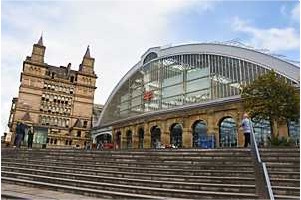
When I arrived, it was to find that the elegant front steps which lead to the station arch were closed off so that I had to enter via the boring modern side door.
 |
 |
|
|
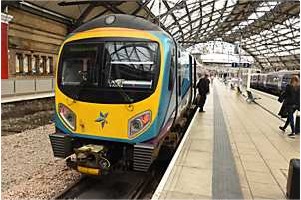
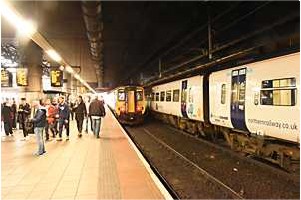
Once inside, I bought a bottle of water, photographed the trains and consulted a staff person, who suggested that I went to Manchester Victoria and then caught the Clitheroe train from there.
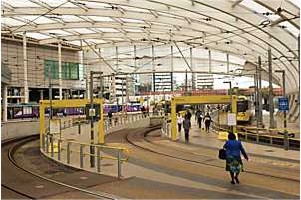
I did as suggested and caught the smart Trans Pennine Express for half an hour to Manchester Victoria. Part of the station, mainly the part occupied by the trams, is a beautifully lit space beneath a glazed arch.
The trains mainly occupied a dark, underground, area. I had a very good coffee on the concourse and watched but didn’t dare photograph the heavily armed policemen who were on patrol. It struck me later that they may have been there in preparation for the Tory Party conference at the weekend. Whatever the reason, it wasn’t a familiar site on the UK.
 |
 |
|
|
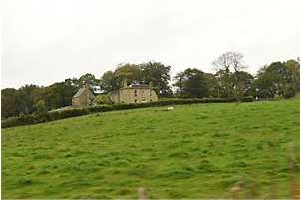
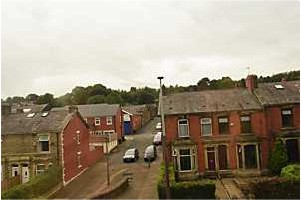
The Clitheroe train arrived in the darkness and we headed up into the moors for just over an hour. I tried to take photographs of the scenery and of the towns but without much success.
 |
 |
|
|
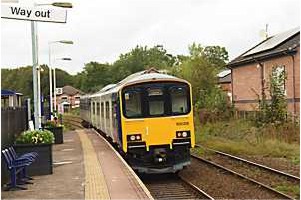
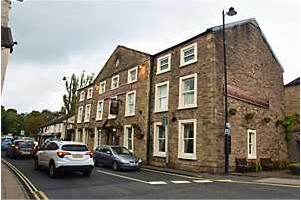
We arrived at Whalley and I walked through a smart looking village until I located The Swan. The lady at reception showed me upstairs to the Ribble Suite, a very smart room, where I did some unpacking.
 |
 |
|
|
I had a beer in the bar, enjoying the unaccompanied singing of a young cocker spaniel at one end of the bar and an older border collie at the other. No one seemed to mind. This is the country after all.
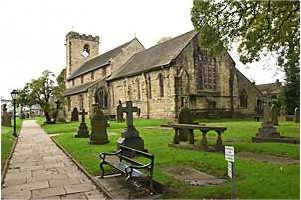
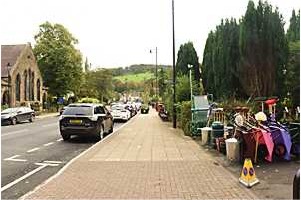
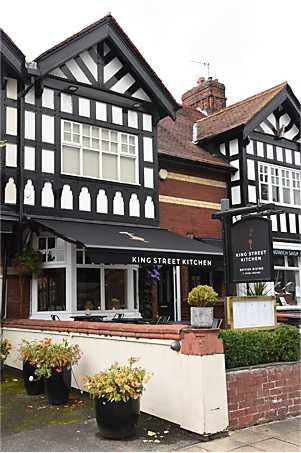
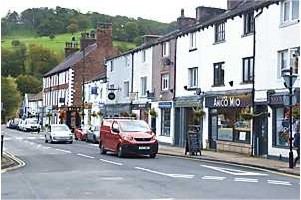
I then wandered up the main street, having to watch for the non-stop traffic. The shops were very good. Lots of independent ones, lots of pubs & bars & lots of restaurants. I located a very interesting looking one and reserved a table for later.
 |
 |
|
|
 |
 |
|
|
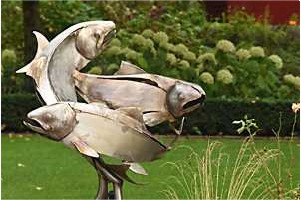
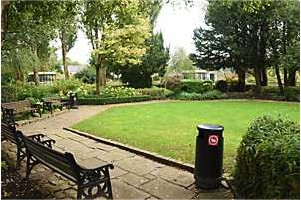
There is a small memorial garden with a beautiful fish sculpture. Whilst in the North, I have seen lots of war memorials, not least in Liverpool. This one is on the site of an old house which was used to house Belgian refugees in WWI.
 |
 |
|
|
 |
|
|
|
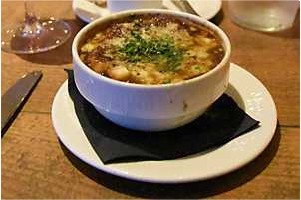
At 18.30, I departed to the restaurant, where I sat in splendid isolation for about fifteen minutes before it started to fill up. The food – French onion soup, Hunter’s chicken and chocolate mousse – was excellent. The wine was OK and the service top class. I had a very good meal, chatted to the staff and to some of the other diners, and returned to the hotel.