November 4
Launceston to Bicheno
Feeling that the food would be good, I opted for a big breakfast. I thought that the owner was to be the chef so that did cast some doubt on the matter. In the end, the breakfast was good but not as elegant as last night's meal. No real surprise there.
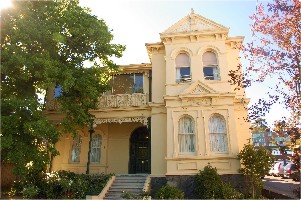
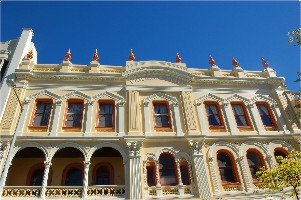
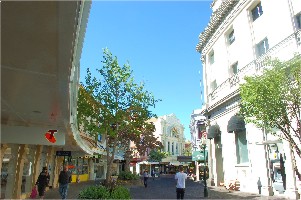
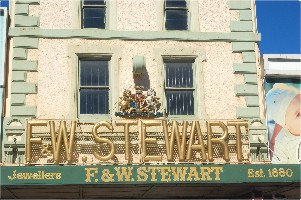
I walked into town and took photos of lots more interesting buildings. I visited a number of shops and the Post Office but didn't buy much. If there is a good wine shop in town, I couldn't find it. The Quadrant was pretty and supplied me with some flowers for later in the day. By now, it was warm and sunny. Perfect holiday weather.
 |
 |
|
|
 |
 |
|
|
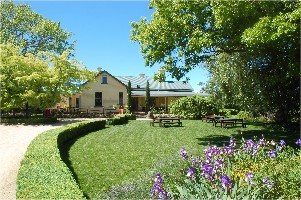
From the motel, I drove out of town, seeking the village of Relbia. I got lost, sought directions twice and final arrived at Josef Chromy Wines.
 |
 |
|
|
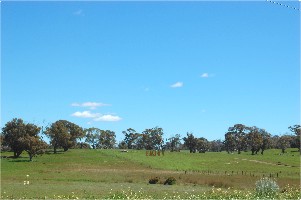
This was a stunning spot and the wine was good as well. I tried a riesling and a light pinot noir, bought a bottle of the latter to give to my hosts later in the day, and set off again. This time, I didn't get lost and was soon hurtling southwards on the main highway at 110 kph. This didn't give me much chance of photographing the stunning weather.
 |
 |
|
|
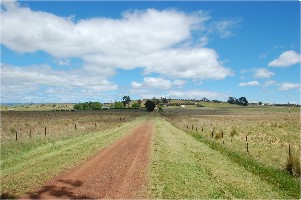
On the dot of noon, I sped past the gate of Wanstead Park and had to travel quite a distance before I was able to turn round and attack it from the other direction. Once through the gate, I was faced by a long drive, at the end of which was Mr Baird.
He welcomed me warmly and ordered me into an elderly 4WD. We discussed my footwear and he suggested that shoes would be more suitable than the sandals I was wearing should I encounter a snake. At that, I would happily have donned a suit or armour had one been available.
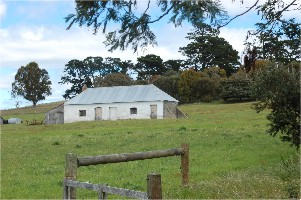
We bounced across a paddock, past the old smithy and stopped at a fence at the edge of the property.
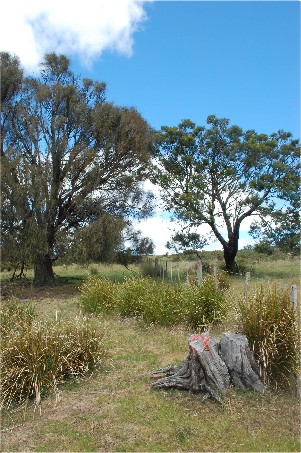
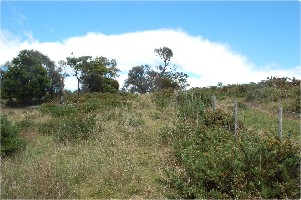
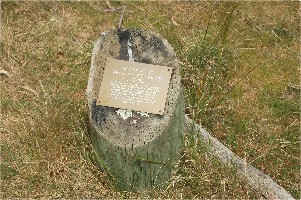
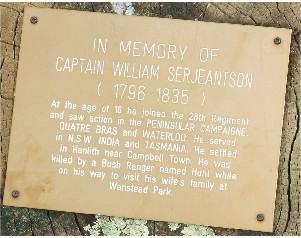
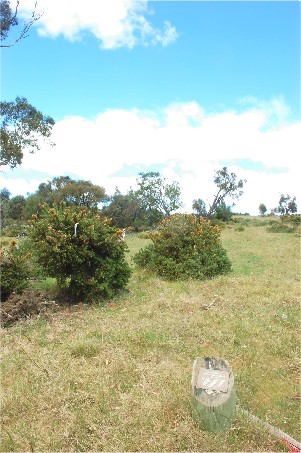
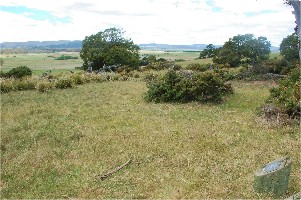
The owner of the neighbouring farm had constructed a mound of rocks on either side to make a stile for an arthritic geriatric.I scaled this and followed a carefully marked set of red arrows which had been marked on fence posts and on the grass to direct me towards the aim of the whole holiday. This was the memorial, constructed by my late cousin Bill, to my great great grandfather.
It looked exactly as it had done on the photos that he gave me when be
built it 25 years ago. Knowing Bill, he probably made the plaque himself
and it will probably live on for another century. |
 |
 |
|
|
|
 |
 |
|
|
I thought that I might be quite emotional but, strangely for me, I wasn't. I did, however, have a great sensation of "mission accomplished."
 |
After taking photos from all possible angles, I wandered back across the field, and rejoined Mr Baird who was cutting thistles.We re-boarded the 4WD and bumped our way back across the paddock, stopping at my car to collect the wine and flowers that I had brought with me. |
 |
|
|
|
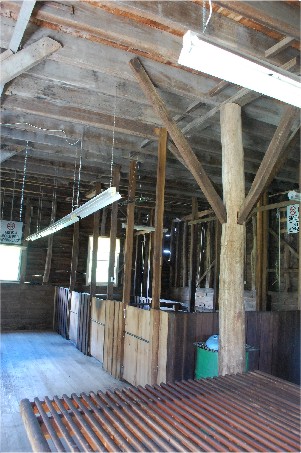 |
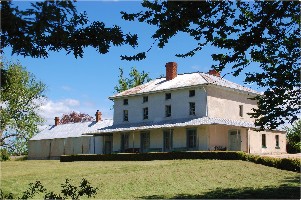
The woolshed is largely original, dating from the 1830's but with some modern additions, mainly to provide the resources required by a modern shearing gang. Some of the nails holding the cladding in place were the original Ewbank nails, first used in Australia in 1834 and continuing in use until WWII. The timber was old and gnarled but the whole structure looked in very good order. At the house, I was introduced to Mrs Baird and, after the gifts were handed over, I was a given an excellent lunch. We chatted about my family and about Mrs Baird's sister, who worked at the RIBA for some years. They remembered my friend David visiting 10 years ago, when he was on his way to visit me in New Zealand.
Left: The woolshed |
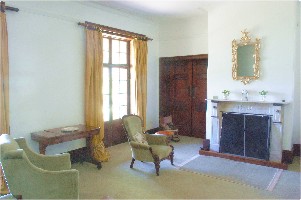
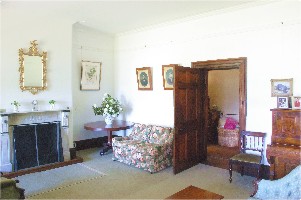
The tour of the house started in the lounge, the room in which my great great grandparents were probably married. It is a beautiful room, full of original features and with some lovely paintings on the walls.
Much of the rest of the house has yet to be restored and that is going to be a seriously expensive exercise. I take my hat off to the Bairds who seem to have great enthusiasm for the project.
 |
 |
|
|
 |
 |
|
|
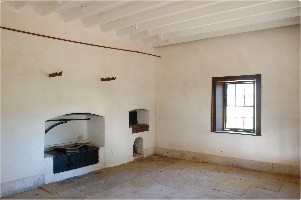
The old kitchen, complete with bread oven and range, has been restored and is a beautiful room. The veranda, supported by very delicate columns, is almost certainly as it was originally built. The supports were specifically designed so as not to interfere with the view from the windows. Unfortunately, the only photograph I took of it didn’t really work so I don’t have a record.
 |
 |
|
|
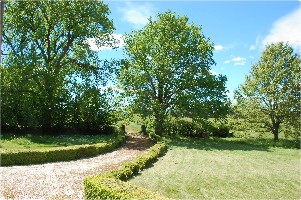
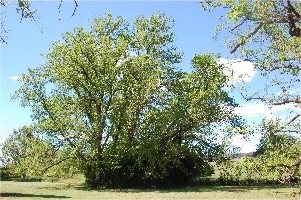
The garden contains many English trees; oaks, elms and fruit trees, probably planted by the Willis family. One magnificent oak forms a complete tent, with its branches touching the ground on all sides. This is now showing signs of its age and some of the main limbs have had to be held in place with rope supports. An arborist comes over from the mainland every year to inspect and treat all of the trees. A large nursery is being grown so that the heritage of these trees can be maintained.
I made my farewells - very heartfelt after such a wonderful welcome - and promised to send photos, cards, copies of family documents etc etc. It was a wonderful centre point to my holiday, the main reason for my visit to Tasmania. It is amazing to think that my family travelled so far in what must have been very difficult conditions so long ago.
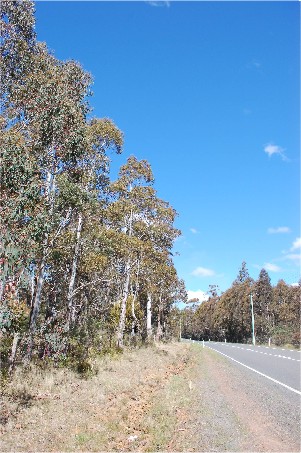
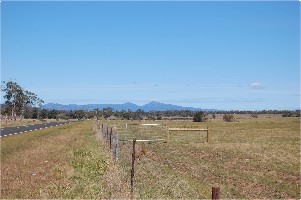
Back on the main road, I passed through Campbell Town, turned towards the coast and crossed the railway line. This was full of workmen, trying to repair the damage caused when a train derailed the day before. It didn't seem tactful to stop and take photos of them.On the road to the East Coast, I drove through interminable eucalyptus trees. There was a small fire at one stage but not knowing who to contact or how to contact them, I decided to put my foot down. |
 |
 |
|
|
|
The road started to drop towards the sea. I caught a fleeting glimpse of the water which then vanished behind the trees until another viewing point appeared.
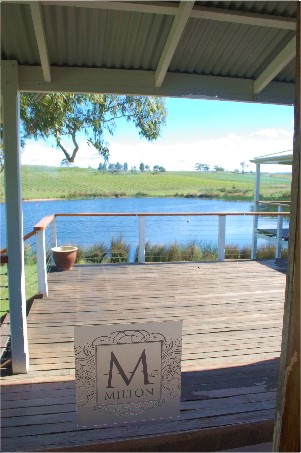
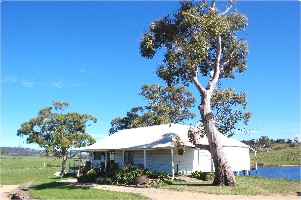
Shortly after this, I reached Milton Vineyard, just off the main road. It was in a beautiful location, with lots of trees and a pond to one side.I tasted the Riesling and the Gewurztraminer, both of which were good but neither of which, of course, were exported. The lady doing the tastings said that they couldn't compete with the cheap wine produced in New Zealand! It would seem that New Zealand is feared over here because it is a much lower wage economy. |
 |
 |
|
|
|
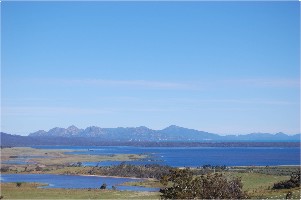
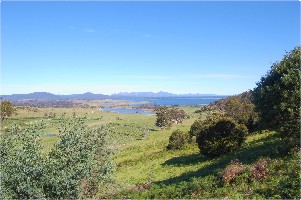
The final descent into Bicheno took me past a few more vineyards and then into the village.
 |
 |
|
|
 |
 |
|
|
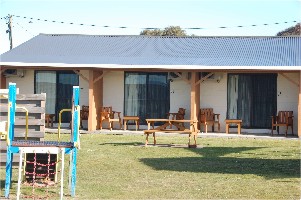
The motel turned out to be large and, like most of the others that I visited on the trip, was nothing much from the outside but smart and well equipped inside.
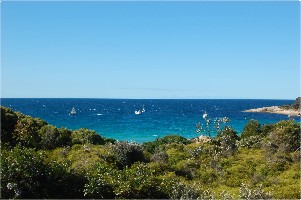
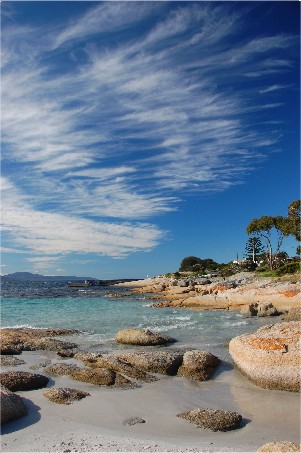
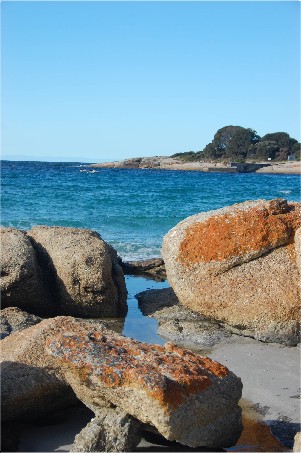
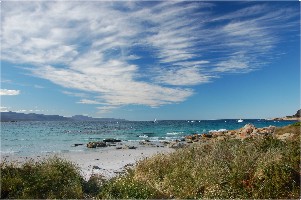
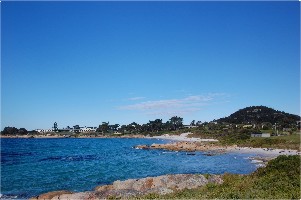
I had a wander round the village and along the beach, took lots of photos and investigated potential places for dinner. Eventually, I returned to the pub next to the motel, had a small beer and wrote my diary. Interestingly, yet again my request for a beer resulted in a small glass. In both the UK and New Zealand, such a request would result in a pint being delivered.
 |
 |
|
|
 |
 |
|
|
 |
 |
|
|
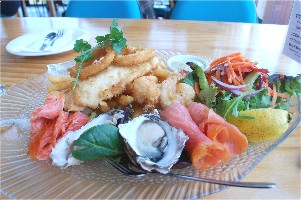
After a brief rest, I walked up the road to the Sea Life Centre. It was quite busy, with lots of families eating fish in various guises. There were even people tucking into large crayfish. I ordered the mixed seafood thingy as it looked quite large and saved me from having to decide what to have. Oysters, smoked salmon (both hot and cold smoked) and lots of other deep-fried sea food. There was also a very good salad.
All of this was accompanied by a Coombe End Riesling. This wasn't as good as the Milton version but was perfectly drinkable.
After a lengthy meal and a chat with the staff, I walked home, had another vain attempt to use the hotel wi fi and retired for the night.